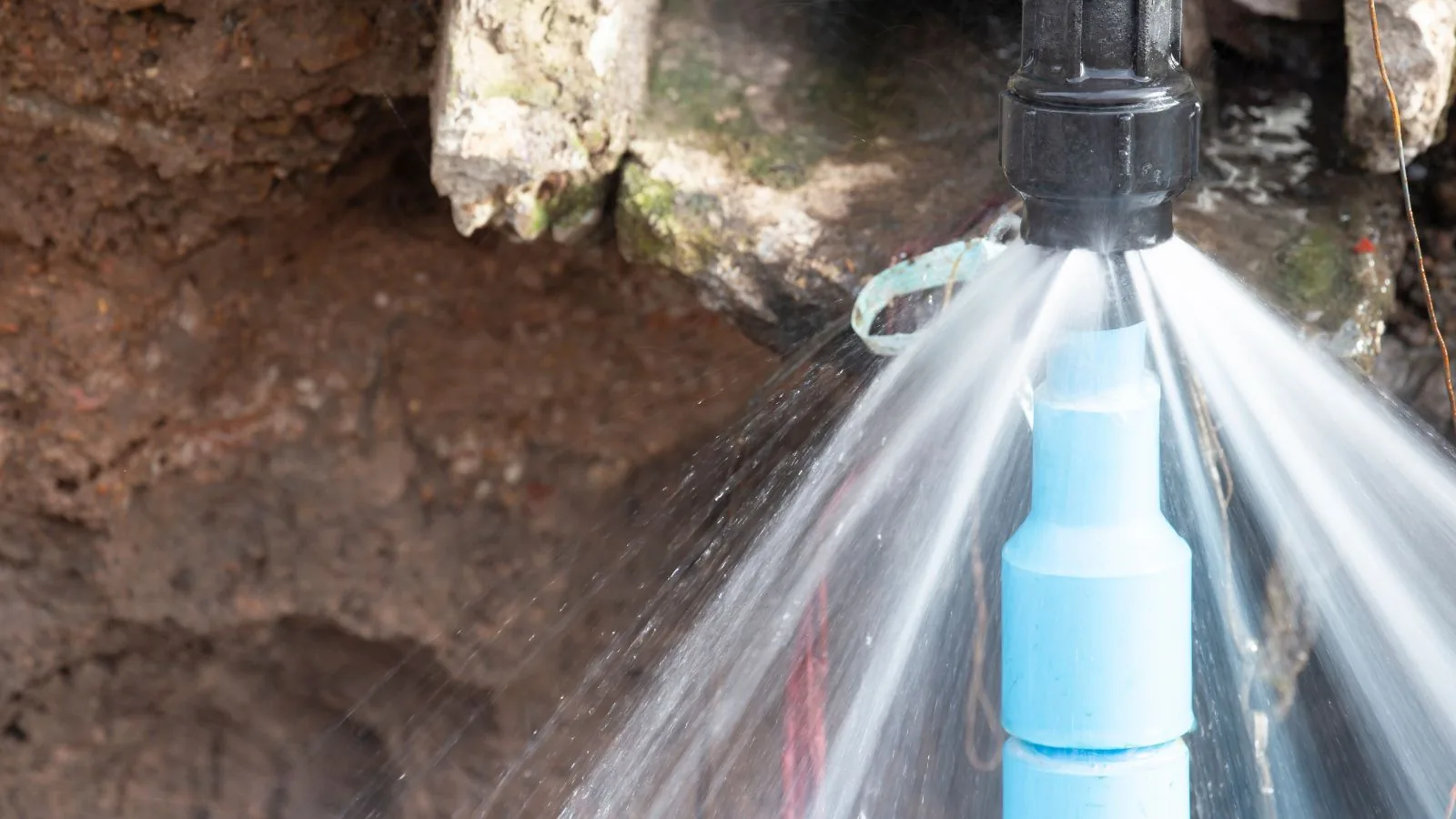
Emergency Burst Pipe Water Damage in Lorain, OH
A pressurized supply line that lets go can put hundreds of gallons into a house in a short time. This page covers the shut-off, the water on the floor and the walls that took the spray.
Burst pipe water damage in Lorain is an emergency from the first second, and the dispatch line is answered 24/7. Close the main water valve where the line enters the house, open a low faucet to drain what is left, and keep clear of any wet outlets or the electrical panel. Then call, and stay on the line for the next steps while the response is arranged.
What a burst pipe does inside a house
A supply line carries water under pressure, so a split sprays and soaks in all directions at once. Water follows framing, runs down inside wall cavities and drips through floors into the rooms below. By the time a ceiling stain shows, the wall above it can already be saturated.
The water starts clean, which keeps the job in the simplest category if extraction begins quickly. Left to sit, it picks up dust and materials and becomes less clean, so the first hours decide how much comes out and how much can be dried in place.
What to do first: shut it off before anything else
- Find the main shutoff valve. It is often near the water meter, in a basement, utility room or crawl space.
- Turn it fully closed, then open the lowest faucet in the house to relieve pressure.
- If the break is on the street side of your meter, report it to the City of Lorain Utilities Department, which takes reports of water line breaks.
- If you cannot reach the valve without stepping in water near electrical equipment, stay out and call the electric utility or 911.
Where burst pipes hide damage
- Wall cavities below the split, where insulation holds water against drywall.
- The ceiling directly under an upstairs bathroom or laundry room.
- Cabinet bases and the floor under sinks, covered in more detail on the kitchen water damage page.
- Subfloor seams, where water spreads sideways before it shows on the surface.
How the cleanup runs
Crews extract standing water first, then open the wall or ceiling where the line burst so the cavity can dry. Moisture meters and thermal cameras confirm where the water went. Air movers and dehumidifiers run until readings match dry reference values, and only then does the repair phase start with drywall, insulation and paint.
Cold weather causes a share of burst lines, and the frozen case has its own steps on the frozen pipe water damage page. If the split came from an aging fitting or a failed connector, the plumber who fixes it should write down the cause, which helps with the insurance record.
| Water source | Typical category | Usual handling |
|---|---|---|
| Supply line, caught within hours | Category 1 | Extract, open the cavity, dry in place when possible |
| Supply line, left for a day or more | Category 1 sliding toward 2 | Remove wet pad and insulation, dry framing |
| Line plus a drain overflow | Category 2 or 3 | Contain, remove porous material, clean and treat |
Burst line and water still running?
Close the main, then call. Dispatch stays with you until the next steps are clear.
What burst pipe damage costs depend on
- How long the water ran. Minutes and hours produce very different scopes.
- Rooms reached. Water that crossed a floor affects rooms below.
- Wall and ceiling materials. Drywall, plaster and insulation respond differently.
- Drying days. Wet framing adds equipment time.
- Rebuild scope. Repairs are priced apart from the drying.
How long the pipe ran sets most of the scope. Describe it at (440) 276-9091 and get a plain answer.
Insurers often cover sudden and accidental pipe failure, though wear and long-term leaks are treated differently. Ask your insurer what applies, and keep the failed pipe section if the plumber removes it. Burst pipe calls also come from Amherst homes, where the city building department issues plumbing permits for the repair.
Questions we hear about this
Yes. A burst line is urgent at every hour, so dispatch picks up 24/7. Close the main valve first, then call and describe the water.
The source has to be stopped first, and a plumber repairs the pipe. Cleanup and drying can start as soon as the water is off. Dispatch can talk through the order if you are not sure.
Not always. A stained ceiling that is still firm can sometimes be dried through small openings, while a sagging ceiling is usually removed. A moisture reading decides, not the stain alone.
As soon as the water is extracted. Drying time depends on how much material got wet, and moisture readings tell the crew when to stop.
Yes, if the plumber removes a section. It documents what failed, which helps with an insurance claim.
Water spreading right now?
Call the 24/7 dispatch line, describe what you see, and get the next steps while you wait.
Call (440) 276-9091