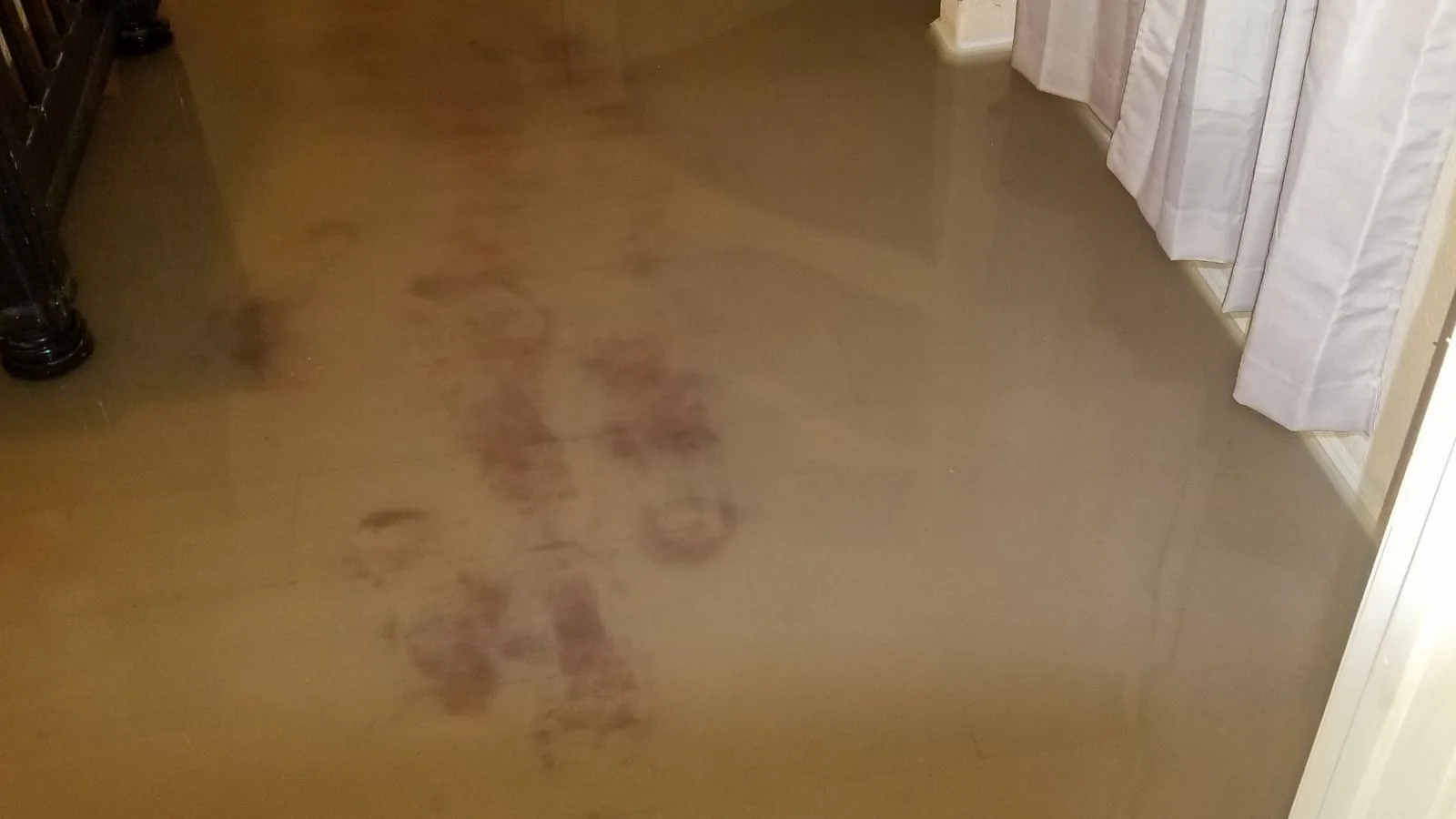
Emergency Sewage Backup Cleanup in Lorain, OH
Sewage backs up through floor drains, tubs and toilets when a line is blocked or the system overloads. It is contaminated from the first minute, and the cleanup follows stricter steps than clean-water losses.
Sewage backup cleanup in Lorain is an emergency from the first sign, and the dispatch line is answered 24/7. Stop using water and drains in the house, keep children, pets and everyone else out of the affected rooms, and do not try to clean it yourself. Call and describe where it is coming from, then wait for instructions before touching anything.
Why this is handled differently
Water that has passed through a sewer is classified as the most contaminated category. Porous materials it touches, including carpet, pad, drywall and insulation, are removed rather than cleaned. Hard surfaces and framing are cleaned and treated, and crews wear protective gear and contain the area to keep contamination from spreading to clean rooms.
What causes a backup
- A blockage in your own lateral line, from roots, grease or a collapsed pipe.
- A blockage or overload in the city main, so several homes back up at once.
- Heavy rain that overwhelms combined or stressed lines.
- A failed sump or floor drain that lets water in at the lowest point.
If the problem is in the city main, report it. The City of Lorain Utilities Department takes sewer problem reports through its website, and it keeps a page for water in your basement. Wastewater from about three quarters of Lorain and from Sheffield Lake goes to the Black River Wastewater Treatment Plant, so a regional overload is possible during heavy rain. The South Lorain page explains who handles the main and who handles the lateral.
How the cleanup runs
- Contain the area and shut down air handling that could spread contamination.
- Extract the contaminated water.
- Remove and bag porous materials that cannot be cleaned.
- Clean and treat hard surfaces and framing.
- Dry the structure with air movers and dehumidifiers and verify readings.
| Material | Usual outcome | Why |
|---|---|---|
| Carpet and pad | Removed | Cannot be reliably cleaned |
| Drywall touched by sewage | Removed | Porous and holds contamination |
| Sealed concrete | Cleaned and treated | Hard surface |
| Wood framing | Cleaned, treated and dried | Structural, evaluated by readings |
Sewage in the house?
Stay out of the water and call. Dispatch gives instructions for staying safe while a crew is arranged.
What to do until the crew arrives
- Stop running water, flushing toilets and using the washer or dishwasher.
- Keep people and pets out of the affected rooms.
- Wear boots and gloves if you must enter, and wash hands afterward.
- Do not use a household vacuum on the water.
- Photograph the area and the source before anything is moved.
The waiting period matters. Contamination spreads on shoes, towels and pet paws, so closing doors to the affected rooms and keeping the rest of the home clean makes the cleanup smaller. If the backup is in the lowest part of the house, avoid furnaces and water heaters standing in the water.
What sewage cleanup costs depend on
- Area affected. More rooms mean more material removed.
- Depth and duration. Water that sat soaks further.
- Finished space. Carpeted or paneled rooms add removal work.
- Contents. Many items cannot be saved.
- Line repair. A plumber prices clearing and repairing the sewer line.
Rooms touched and materials removed set the scope. Call (440) 276-9091 for a plain walk-through.
Sewer backup is often excluded from standard homeowners policies unless a water backup endorsement was added. Check your policy, take photos, and ask your insurer about the backup coverage before you throw anything away. For flooding from outside, see the flood damage page, and for the final drying step, the structural drying page.
Sewage calls also come from Sheffield Lake, where sewage goes to Lorain for treatment.
Questions we hear about this
Yes. Sewage is urgent from the first sign, so the line is staffed around the clock. Same-day response is offered when available.
It is not recommended. The water is contaminated, and cleanup involves removal of porous materials and treatment. Small spills on a hard floor are different, but a backup from a drain calls for a crew.
If the blockage may be in the city main, yes. Use the Lorain Utilities website to report a sewer problem. A plumber can tell you whether it is the lateral or the main.
Often only with a water backup endorsement. Standard policies commonly exclude it. Read yours or ask your insurer.
Stay out of affected rooms. If the backup is widespread, consider other lodging until the cleanup is done. Crews will advise.
Water spreading right now?
Call the 24/7 dispatch line, describe what you see, and get the next steps while you wait.
Call (440) 276-9091