Emergency Water Heater Leak Cleanup in Lorain, OH
A failed tank can empty 40 or more gallons onto the floor and keep leaking from the supply line. Here are the shut-off steps, the cleanup and what to check before a new tank goes in.
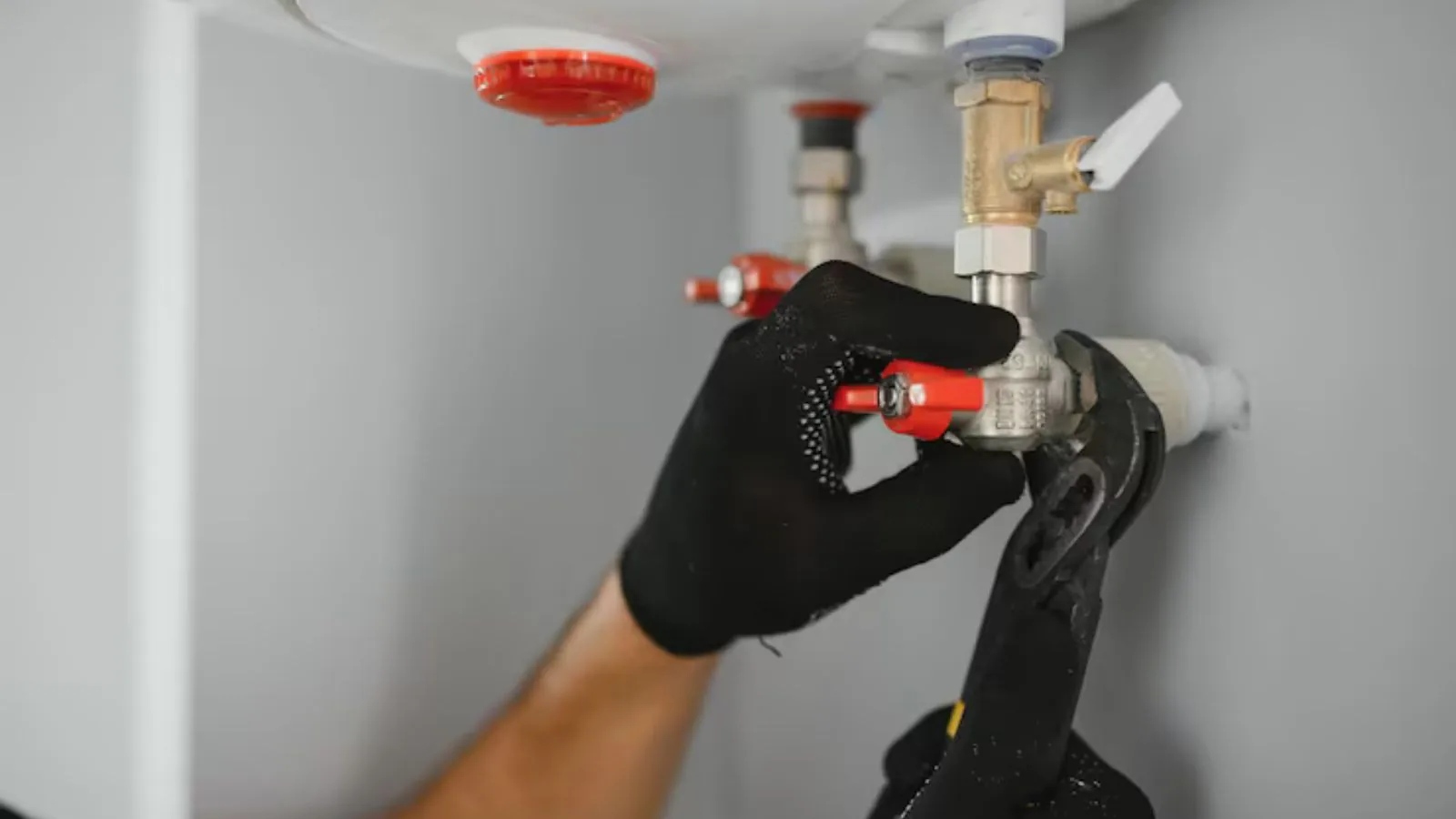
Water heater leak cleanup in Lorain starts at the heater, and the call line is answered 24/7. Turn off the electric breaker or the gas valve first, close the cold water supply valve on top of the tank and keep out of any standing water if the heater is plugged in or wired nearby. Then call, so a crew can start extraction while you arrange the replacement.
Why water heaters cause big losses
A tank holds 30 to 80 gallons and sits on the supply line, so a rupture drains the tank and the line keeps feeding it. Heaters often sit in basements, utility closets or garages, where the water spreads under walls and into finished rooms before anyone notices. A leak from a slow drip at a fitting is smaller but can soak a subfloor for weeks.
Shutting it down safely
- Switch off the breaker for an electric heater, or turn the gas valve to off for a gas model.
- Close the cold water inlet valve on the pipe above the tank.
- Open a hot tap elsewhere to relieve pressure if the tank is still draining.
- If the floor is wet around the electrical panel, stay out and call the electric utility.
- Photograph the tank, the label and the water line before cleanup.
What cleanup involves
Crews extract standing water, then test walls, baseboards and flooring with moisture meters. Water from a heater is usually clean when it first escapes, which gives drywall and wood a better chance of being dried in place. Rust and sediment from an old tank can darken it, so the longer the water sits, the more material gets removed.
| Heater location | Where water goes | Usual handling |
|---|---|---|
| Basement | Floor, wall bases, stored items | Extract, dry slab and wall bottoms |
| Utility closet on main floor | Subfloor and adjoining rooms | Extract, check under flooring, dry floor system |
| Garage | Slab and attached walls | Extract, dry wall plates and stored items |
| Attic or upper floor | Ceiling and walls below | Control source, dry or replace ceiling |
Tank failed and water spreading?
Shut off the power and the supply, then call. Dispatch stays with you while the response is arranged.
A replacement often needs a plumbing permit, and rules differ by town. In Lorain, plumbing permits come from the building office at City Hall. In Sheffield Lake, the building department requires permits for water heater work, and contractors there register each year, so ask before the install. Details for that town are on the Sheffield Lake page.
Pair the replacement with a drain pan and a leak sensor if your layout allows, since a small alert can prevent the next big loss. A tank that fails in the basement often becomes a burst line problem if the supply keeps feeding it. Sump pumps and seepage are a different kind of problem, covered on the basement water damage page.
What heater leak cleanup costs depend on
- Tank size and how long it leaked. A full tank plus a live supply line is the worst case.
- Floor and wall materials. Concrete dries quickly, subfloor and drywall take longer.
- Finished space nearby. Carpeted rooms add pad removal and drying.
- Stored items. Cardboard and fabric absorb water and often cannot be kept.
- The heater replacement itself. A plumber prices that separately.
Tank size and floor type drive the plan. Talk through your situation at (440) 276-9091.
Insurers commonly treat a sudden tank rupture differently from long-term corrosion or seepage. Keep the failed heater until the claim is settled if you can, and note the age on the data plate. This helps document the loss.
Questions we hear about this
Yes. A leaking tank is treated as urgent at night and on weekends, and the line is open all day and all night. Same-day response is offered when available.
Yes. Shut off the breaker or the gas valve before approaching a wet heater, and do not touch it if you are standing in water. If you cannot reach the breaker safely, call the electric utility.
It depends on the materials. A slab dries quicker than a subfloor, and drywall that wicked water takes longer. Readings, not a calendar, tell the crew when to stop.
Often yes. Ask the building division of your city, and have your plumber confirm. Lorain, Sheffield Lake and Amherst each have their own process.
A sudden rupture is often covered for the resulting water damage, while the heater itself may not be. Slow corrosion leaks are treated differently. Check your policy or ask your insurer.
Water spreading right now?
Call the 24/7 dispatch line, describe what you see, and get the next steps while you wait.
Call (440) 276-9091