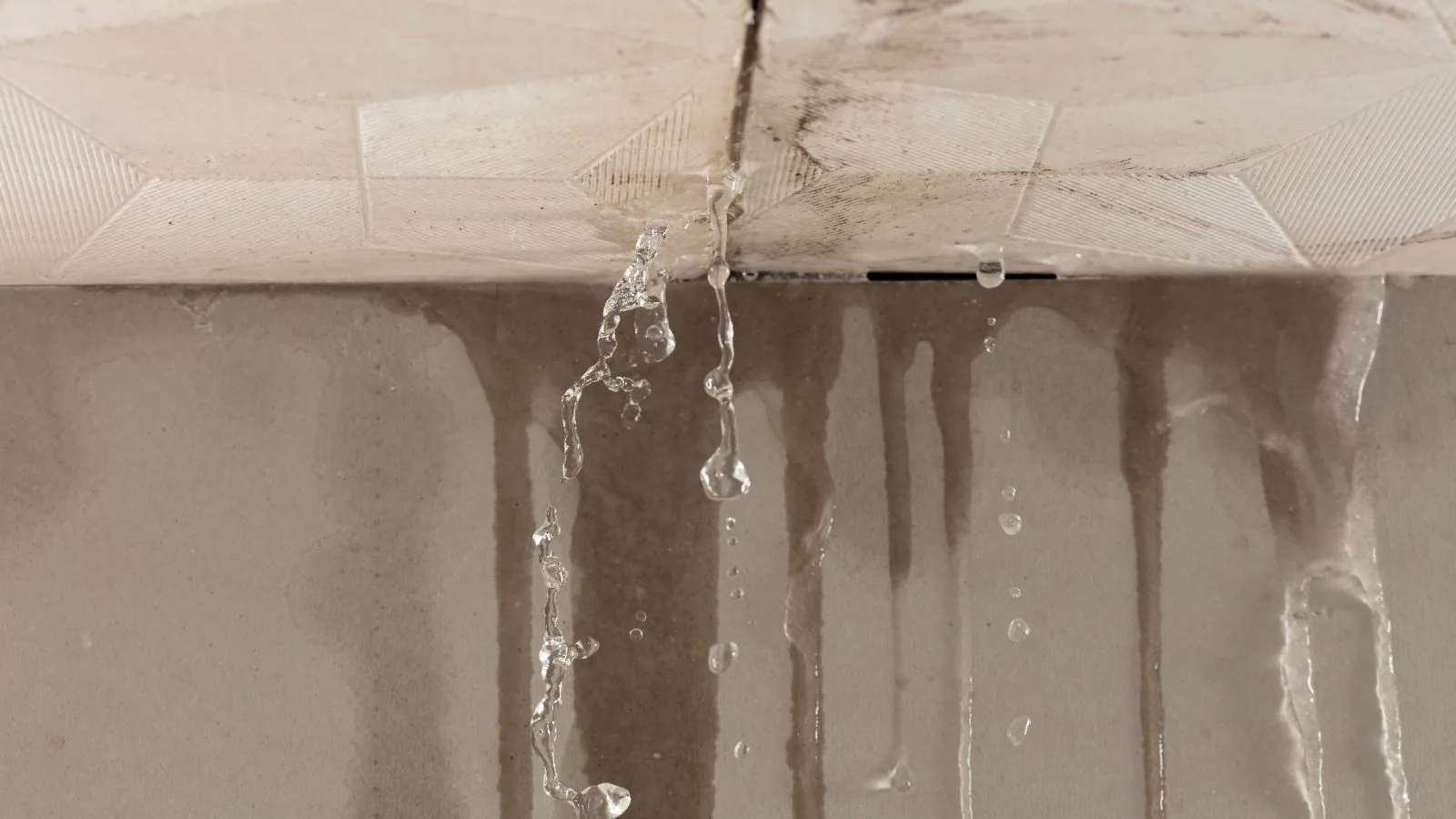
Emergency Storm Water Damage Cleanup in Lorain, OH
Storms strip shingles, push rain under flashing and break windows. The first job is keeping more water out, and the second is drying what already got in.
Storm water damage cleanup in Lorain starts after the weather is safe to work in, and the line is answered 24/7 through the whole storm. Stay out of rooms with sagging ceilings or live wires down, and never go on a wet roof. Photograph damage from the ground, put buckets under drips and call to arrange temporary protection.
What storms do to a house
Wind lifts shingles and flashing, and rain follows. Water enters through the roof, around chimneys and vents, through broken windows and along damaged siding. Lake effect storms off Lake Erie can drive rain sideways at walls and windows, which wets places that rain never reaches in an ordinary shower.
Lorain has a long weather history, including the 1924 tornado, which formed over Sandusky Bay and struck the city. Storms that serious are rare, but even an ordinary line of thunderstorms can strip shingles and loosen siding.
Stopping more water from coming in
- Cover roof openings with tarps secured to dry, sound decking.
- Board or cover broken windows.
- Move furniture and valuables away from wet areas.
- Cut power to rooms with wet ceiling fixtures.
- Photograph all damage for your insurer before repair starts.
| Damage | Typical water path | Usual response |
|---|---|---|
| Missing shingles | Roof deck, attic insulation, ceiling below | Tarp roof, dry attic, assess ceiling |
| Broken window | Wall below, floor and baseboard | Board window, extract, dry wall cavity |
| Siding damage | Wall cavity and sheathing | Cover, dry cavity, repair siding |
| Window well flooding | Basement wall and floor | Pump, extract, see basement page |
Storm damage and water inside?
Call and describe what you see. Dispatch explains temporary protection and drying.
Drying and repair after storm water
Rainwater is cleaner than flood water, though it picks up roof debris and insulation as it moves. Crews extract, remove wet insulation and ceiling board, and dry framing with air movers and dehumidifiers. After readings reach the dry standard, repairs and roofing can be completed.
Wet ceilings are the most common result, and the ceiling repair page explains the steps. Water that rose from the ground instead of falling from above is covered on the flood damage page and the basement page.
What to document before repairs
- Roof, siding and windows from the ground, with close-ups of damage.
- Interior stains, drips and wet floors, with a date on each photo.
- Damaged belongings, listed with approximate age and value.
- Receipts for tarps, boards and emergency help.
- The time the storm hit and any weather alerts you received.
Weather warnings for the area are issued by the National Weather Service in Cleveland, and a screenshot of the alert helps date the event. Keep the paperwork together in one folder, because a claim moves faster when the pieces are easy to find.
What storm cleanup costs depend on
- Size of the opening. Larger openings let in more water.
- Time before protection. Fast tarping limits the loss.
- Attic and ceiling materials. Wet insulation adds removal.
- Rooms reached. Water often travels beyond the first stain.
- Roof and exterior repair. A roofer or contractor prices that separately.
The size of the opening and the time it stayed open set the scope. Describe the storm damage at (440) 276-9091.
Wind and rain damage is often covered by homeowners insurance, though conditions and deductibles apply. File promptly, keep receipts for emergency repairs and ask your insurer what it needs. Ask the Lorain building office whether the roof repair needs a permit, and note that Sheffield Lake requires permits for roof work.
Questions we hear about this
Yes. Calls come in during and after storms at any hour. Same-day response is offered when available, and outdoor work waits for safe conditions.
Water cleanup and drying are the focus here. A roofer handles permanent roof repair, and a crew can arrange temporary covering to stop more water from entering.
Rain is cleaner than flood water, though it carries debris. If it came through a sewer or from the ground, it is treated differently.
As soon as it is safe. Document damage with photos and keep receipts. Your insurer can tell you its deadlines.
If the structure is sound and power is safe, often yes. Avoid rooms with sagging ceilings or wet electrical fixtures.
Water spreading right now?
Call the 24/7 dispatch line, describe what you see, and get the next steps while you wait.
Call (440) 276-9091