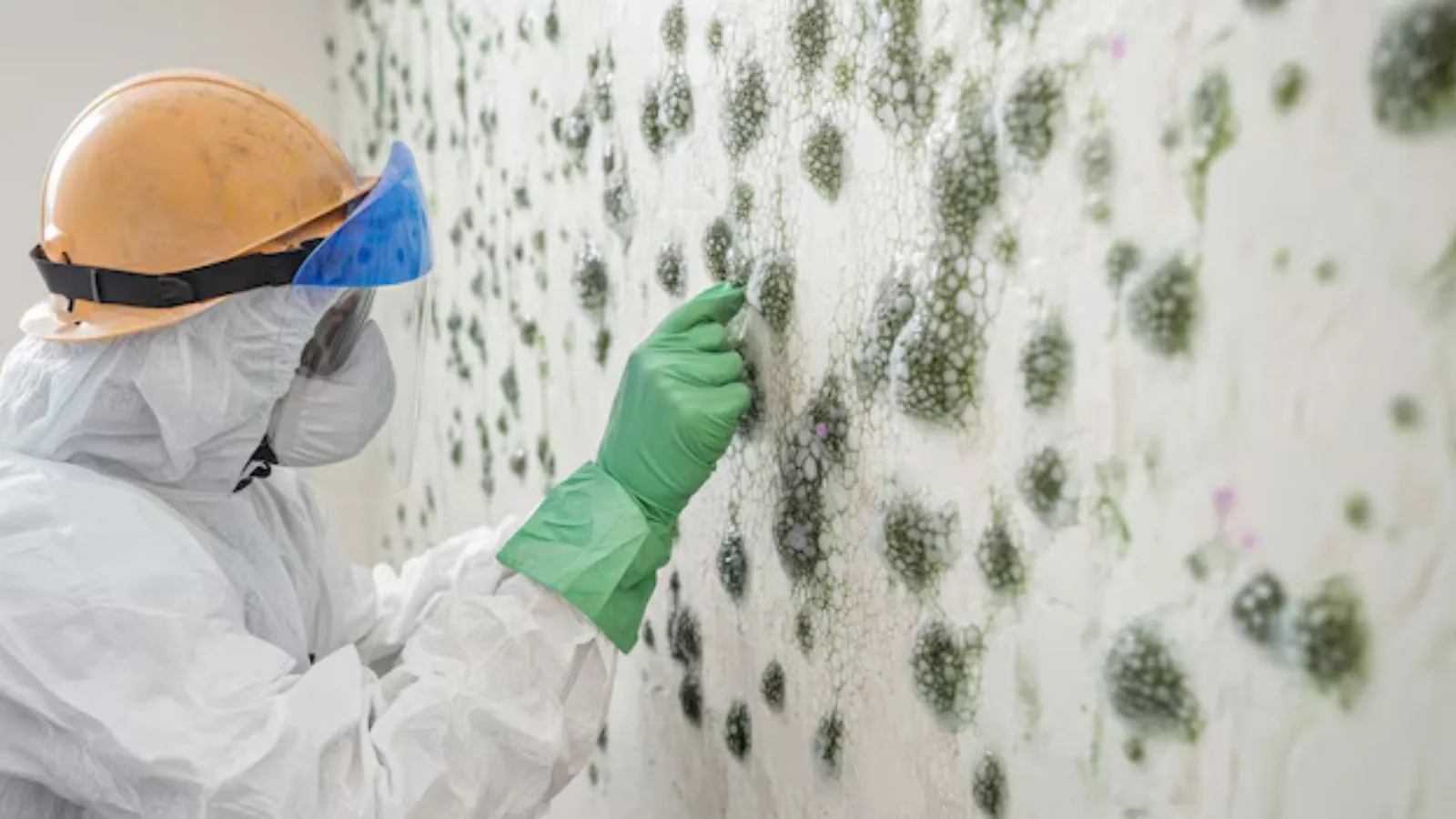
Mold Remediation in Lorain, OH
Mold follows moisture. Remediation means finding and fixing the wet source, containing the area and removing materials that cannot be cleaned, then checking that the space is dry.
Mold remediation in Lorain starts with the moisture, not the mold. If you see growth or smell a musty odor, stay out of the area, keep the door closed and avoid wiping or scrubbing, which can spread spores around. Call and describe what you see, where it is and what water was there before.
What remediation involves
- Locate and stop the moisture source.
- Set up containment with plastic sheeting and negative air so spores stay in the work area.
- Remove porous materials with growth, such as drywall, insulation and carpet, and bag them.
- Clean hard surfaces and framing with HEPA vacuuming and damp wiping.
- Dry the area and verify readings before rebuilding.
Containment is the heart of the job. Without it, disturbing mold sends spores into clean rooms. Crews also turn off or seal the HVAC in the work zone so the system does not circulate air from the work area.
Mold, moisture and testing
Mold needs moisture, an organic surface and time. It can show as fuzzy patches, speckles or stains in different colors, so color alone does not identify it. Testing can confirm what is present and its level compared with outdoor air, but a visual inspection and a moisture reading often tell you what to do. If you are unsure whether to test, ask a physician about any symptoms and ask an independent inspector about sampling.
| Material | Usual handling |
|---|---|
| Drywall with growth | Removed and replaced |
| Insulation | Removed and replaced |
| Wood framing | Cleaned, sanded or treated, and dried |
| Concrete | Cleaned and dried |
| Carpet and pad | Removed |
Found growth or a musty smell?
Call and describe it, and get plain next steps by phone.
Industry practice for mold work is described in the ANSI/IICRC S520 standard for professional mold remediation, which stresses source control, containment and verification. Mentioning it describes the method and is not a claim about any certification.
Why drying comes first
A cleaned surface that stays damp will grow again. That is why remediation always includes a moisture fix, followed by drying to the same standards used after any water loss. The structural drying page explains how readings guide the end of the job, and the crawl space page and AC leak page cover two common hidden sources.
Lorain sits on Lake Erie, so humidity runs high in summer and basements stay cool and damp. Fresh air, dehumidifiers and quick cleanup after any leak keep conditions less friendly to growth.
What to do while you wait
- Keep the area closed and avoid disturbing the growth.
- Fix or shut off any active water source.
- Run a dehumidifier in the room if the air feels damp.
- Do not mix cleaning products or spray bleach on porous materials.
- Take dated photos for your records or your insurer.
Do not turn on a fan that blows across the area, because it can carry spores into other rooms. If the home has forced-air heating or cooling, ask the crew whether to leave it off until containment is up.
What remediation costs depend on
- Area affected. Square footage drives containment and removal.
- Materials involved. Drywall and insulation come out, framing is cleaned.
- Access. Attics and crawl spaces take more work.
- Moisture source. The leak repair is priced separately.
- Rebuild. Replacement of drywall and finishes follows clearance.
Area, access and materials set the containment plan. Call (440) 276-9091 and describe the spot.
Insurance often covers mold that results from a covered water loss, though limits may apply. Check your policy and report the water loss quickly. If you are selling, Ohio sellers of one to four unit homes must complete a state disclosure form that covers known material defects, which is worth remembering when mold is found. Mold work also reaches Vermilion and Sheffield Lake homes.
Questions we hear about this
Not always. If there is visible growth or a known leak, the first step is to fix the moisture. Testing can help in unclear cases, and an independent inspector can advise.
Small surface spots on hard, non-porous surfaces may be cleaned with care. Larger areas, growth on drywall or insulation or any area with a sewage source should be handled by a crew.
The moisture source is fixed, growth is removed, the area is dry and the crew has recorded readings. Ask what verification steps are included.
It may when it comes from a covered water loss, often with limits. Read your policy or ask your insurer.
It depends on the size of the area and whether it is contained. The crew can advise after seeing the space.
Water spreading right now?
Call the 24/7 dispatch line, describe what you see, and get the next steps while you wait.
Call (440) 276-9091