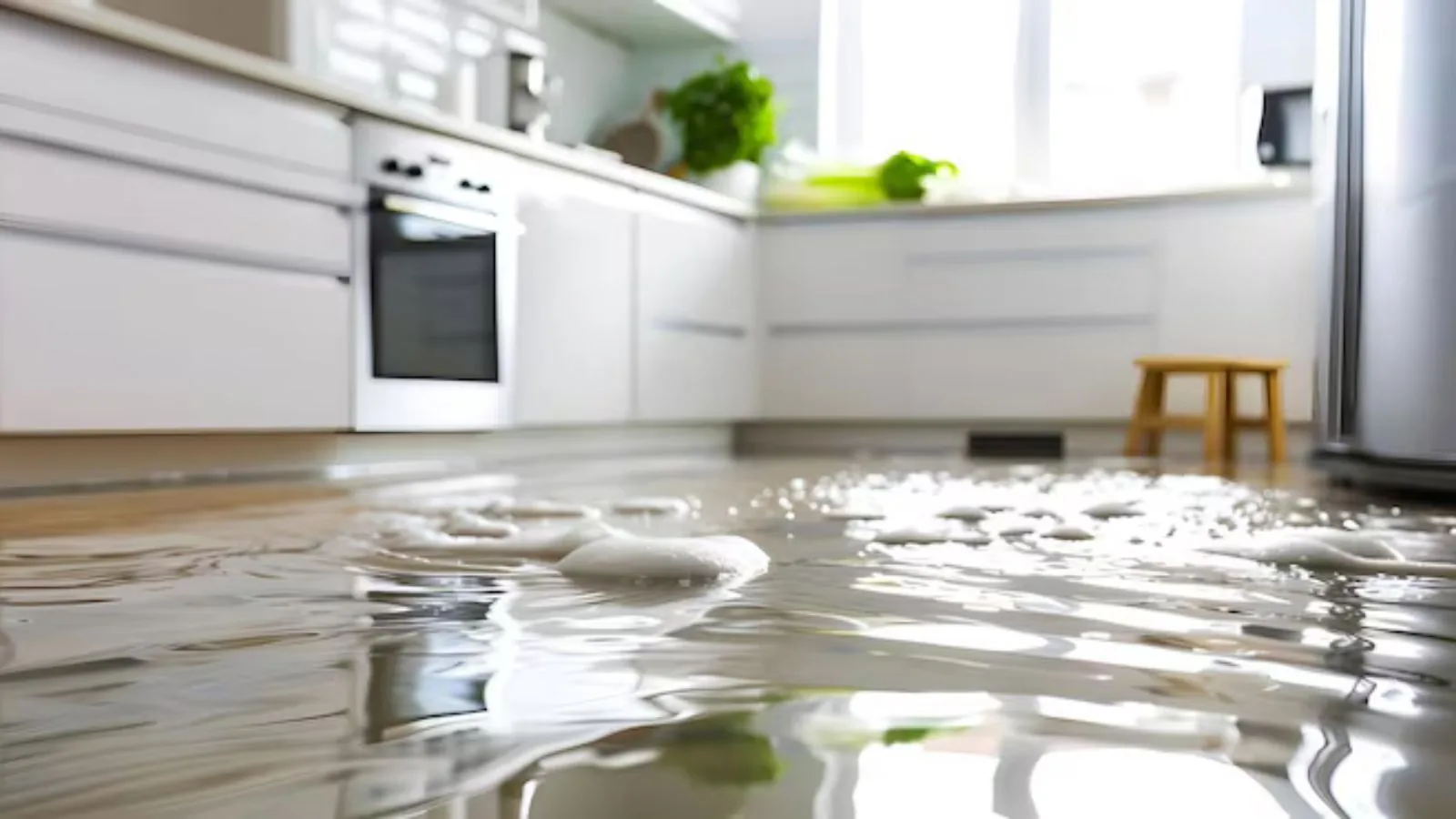
Emergency Flood Damage Cleanup in Lorain, OH
Flood water from the lake, the Black River or heavy surface runoff is not clean water. This page covers what changes in the cleanup, what insurance usually does with flood, and what to document.
Flood damage cleanup in Lorain begins with safety, and the line is answered 24/7 when water has entered a building from outside. Stay out of standing water near outlets and appliances, do not walk through water you cannot see the bottom of, and keep children and pets away. Call before moving anything heavy, and photograph the water line on the walls.
Why flood water is handled differently
Flood water arrives with soil, debris and whatever the ground and the drains carried. That is why restoration treats it as contaminated from the start. Porous materials that sat in it, such as carpet pad, insulation and wet drywall, are usually removed rather than dried, and hard surfaces are cleaned and treated.
Lorain has the lake on its north edge and the Black River meeting the lake at its east side. Wastewater from about three quarters of Lorain and from Sheffield Lake flows to the Black River Wastewater Treatment Plant, which has a design capacity of 15 million gallons a day and can treat 35 million in wet weather. When heavy rain overwhelms drains, water can back up into low basements and first floors.
What the cleanup involves
- Pumping and extraction of standing water, starting with the deepest areas.
- Removal of porous materials that absorbed contaminated water.
- Cleaning and treating hard surfaces and framing that stay in place.
- Moisture mapping, then drying with air movers and dehumidifiers.
- Documentation with photos and readings for your insurer.
| Water source | Contamination level | What usually comes out |
|---|---|---|
| Rain runoff through a window well | Likely contaminated | Carpet, pad, low drywall, insulation |
| Lake or river water | Contaminated | Porous finishes, insulation, stored cardboard |
| Backed-up sewer or drain | Heavily contaminated | All porous material, with containment during work |
Flood and insurance in Ohio
The Ohio Department of Insurance says flood coverage is typically not included in homeowners, renters or business policies and is bought separately, usually with a 30-day waiting period before it takes effect. That means a standard policy often does not pay for water that came in from outside. Pull your policy and look for a separate flood endorsement or a National Flood Insurance Program policy.
To learn whether a property sits in a mapped flood zone, check the FEMA flood map or ask the city building office in Lorain. Warnings for the Black River come from the National Weather Service in Cleveland, so watch those during heavy rain.
Flood water in the house now?
Call and describe the depth and what the water has reached. You will get steps for staying safe while a crew is arranged.
When the water came through a floor drain or the sewer, read the sewage backup page too, since protective steps are stricter. Basement-only flooding is covered on the basement page, and drying itself is explained on the structural drying page.
What flood cleanup costs depend on
- Depth and duration. Water that stood for days soaks further than water that was pumped out quickly.
- Contamination. Removal of porous finishes adds work and disposal.
- Square footage affected. Finished space costs more than bare concrete.
- Contents. Furniture and boxes that must be moved or discarded.
- Rebuild. Drywall, flooring and trim are separate from cleanup and drying.
Depth, duration and contamination shape the plan before any number is given. Call (440) 276-9091.
Flood calls also come from Vermilion, where the town runs on the lake and the Vermilion River, and from Sheffield Lake. In both, the same rule applies: document the water line first, then move belongings to dry space.
Questions we hear about this
Yes. A building with outside water in it is an urgent call at any hour, and dispatch is answered continuously. Response is same day when available, and no promise is made about arrival times.
Usually not. Flood coverage is typically a separate policy, and a 30-day waiting period normally applies. Read your policy or ask your insurer before you assume either way.
Carpet and pad that sat in outside water are usually removed because they cannot be reliably cleaned. Hard flooring and framing can often be cleaned, treated and dried.
Check the FEMA flood map for your address or ask the Lorain building staff. A mapped zone affects insurance and sometimes permits.
Take wide photos showing the water line on walls, then close-ups of damaged items, with dates on the images if possible. Do this before anything is moved or thrown out.
Water spreading right now?
Call the 24/7 dispatch line, describe what you see, and get the next steps while you wait.
Call (440) 276-9091