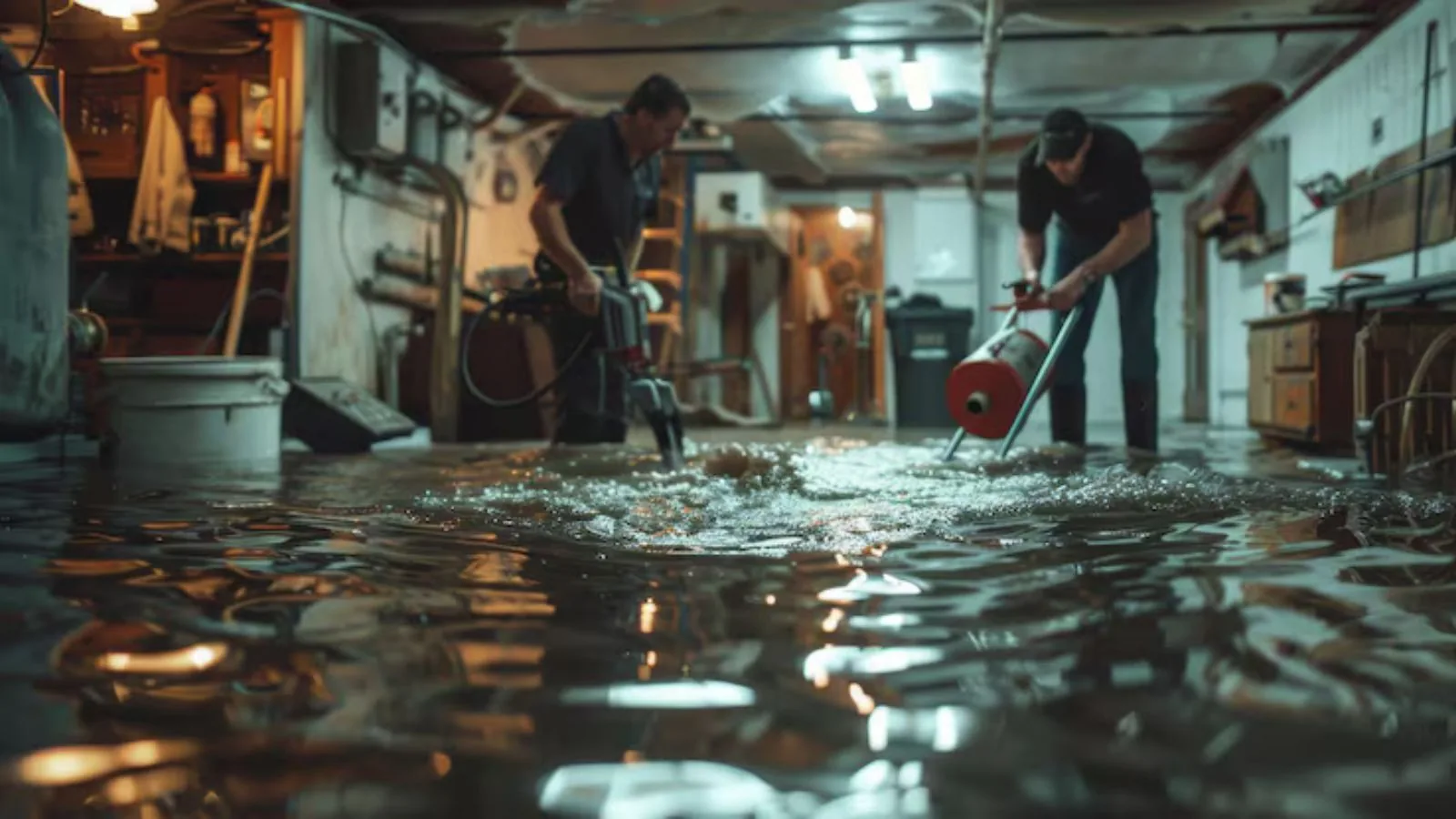
Emergency Water Extraction in Lorain, OH
Standing water in a basement, hallway or ground floor is the job here. Pumps and extraction units pull it out, and the dispatch line answers 24/7 to walk you through what to do until help is arranged.
Emergency water extraction in Lorain starts with one call, and the line is answered 24/7, including nights and weekends. If water is standing in your home, close the supply valve when a pipe is the source, stay out of rooms where water touches outlets or the panel, and lift valuables off the floor while a response is arranged. Extraction is the step that keeps a wet floor from turning into wet walls.
When standing water is an emergency
Standing water is an emergency when it is still rising, when it covers outlets or appliances, when it came from a drain or from outdoors, or when rooms and a finished ceiling sit below it. Every hour in contact with drywall, carpet pad and framing adds drying time later. Water from a drain or from the lake is treated as contaminated from the first minute.
If you see sparks, smell gas or hear buzzing near wet outlets, call the electric utility or 911 first. The restoration line comes after the hazard is handled.
How water extraction works
Extraction is mechanical. A submersible pump handles deep water, and a truck-mounted or portable extraction unit pulls water out of carpet, pad and low spots that a pump cannot reach. Wands and wet vacuums finish the edges and corners. Crews then use moisture meters and thermal cameras to find water that moved into walls and under flooring, because the visible puddle is only part of the loss.
- Confirm the source is stopped, or arrange a plumber if it is not.
- Pump out deep water, then extract what remains from carpet, pad and hard floors.
- Remove saturated material that cannot be dried, such as soaked pad or insulation.
- Map moisture in floors and walls so drying equipment goes where the water went.
- Set air movers and dehumidifiers and record the starting readings.
What to do first, by situation
| Situation | First move | Why it matters |
|---|---|---|
| Under an inch of clean supply water | Extract, then dry in place | Caught early, most materials can stay. |
| Water from a failed sump or heavy rain | Extract and assess the category | Ground water carries soil and bacteria, so porous items are usually removed. |
| Water from a floor drain or toilet | Stay out and call dispatch | Treat it as contaminated until a crew says otherwise. |
| Water above a finished ceiling | Stop the source and call right away | Trapped water can pool and bring the ceiling down. |
Water extraction in Lorain: who else to call
The City of Lorain Utilities Department maintains the storm and sanitary sewers, and its website has a form to report a sewer problem and a page called "Water In Your Basement?" If water came in through a floor drain or the sewer line, report it to the city as well, since a problem in the street can reach more than one home.
Basement flooding after a long rain is a different case from a burst pipe. Basement water damage covers sump pumps and finished space, and flood damage cleanup covers contamination and insurance when the water came from outside. Crews also respond to extraction calls in Sheffield Lake, Amherst and Vermilion.
Water on the floor now?
Describe the depth and the source. Dispatch gives you next steps by phone while the response is arranged.
What extraction costs depend on
- Water depth and volume. More water means longer pump time and more extraction passes.
- Water category. Contaminated water adds protective steps and removal of porous material.
- Floor materials. Carpet and pad, hardwood and concrete each take different tools.
- Rooms affected. Water that crossed a doorway or went through a floor affects the scope.
- Time since the loss. Water left for days soaks deeper and adds drying work.
Depth and square footage set the price, and a phone description is enough for a rough sense. Call (440) 276-9091.
A sudden pipe failure or appliance break is often covered by a homeowners policy, while seepage over months often is not, and flood water usually falls outside a standard policy. Read your policy or ask your insurer, and take photos of the water level before anything is moved.
Questions we hear about this
Yes. Pump-out calls are answered around the clock, and we treat rising water as urgent from the first ring. Same-day response is offered when available, and no arrival time is promised over the phone.
A wet vacuum helps with a small spill on a hard floor. It will not reach water in a subfloor or wall cavity, and it should never be used near standing water with live outlets. If the water is more than a puddle, call first.
Extraction removes the water you can see and the water in soft materials. Drying removes the moisture left in framing, subfloor and drywall, and it follows right after. The structural drying page explains the equipment and the readings.
Treat it as contaminated. Water from the ground, a drain or the lake can carry bacteria, so keep children and pets out and wear boots and gloves if you must enter. Crews wear protective gear for this reason.
You cannot tell by feel. Moisture meters and thermal imaging show water behind drywall and under flooring, and readings are recorded each visit until they match dry reference values.
Water spreading right now?
Call the 24/7 dispatch line, describe what you see, and get the next steps while you wait.
Call (440) 276-9091