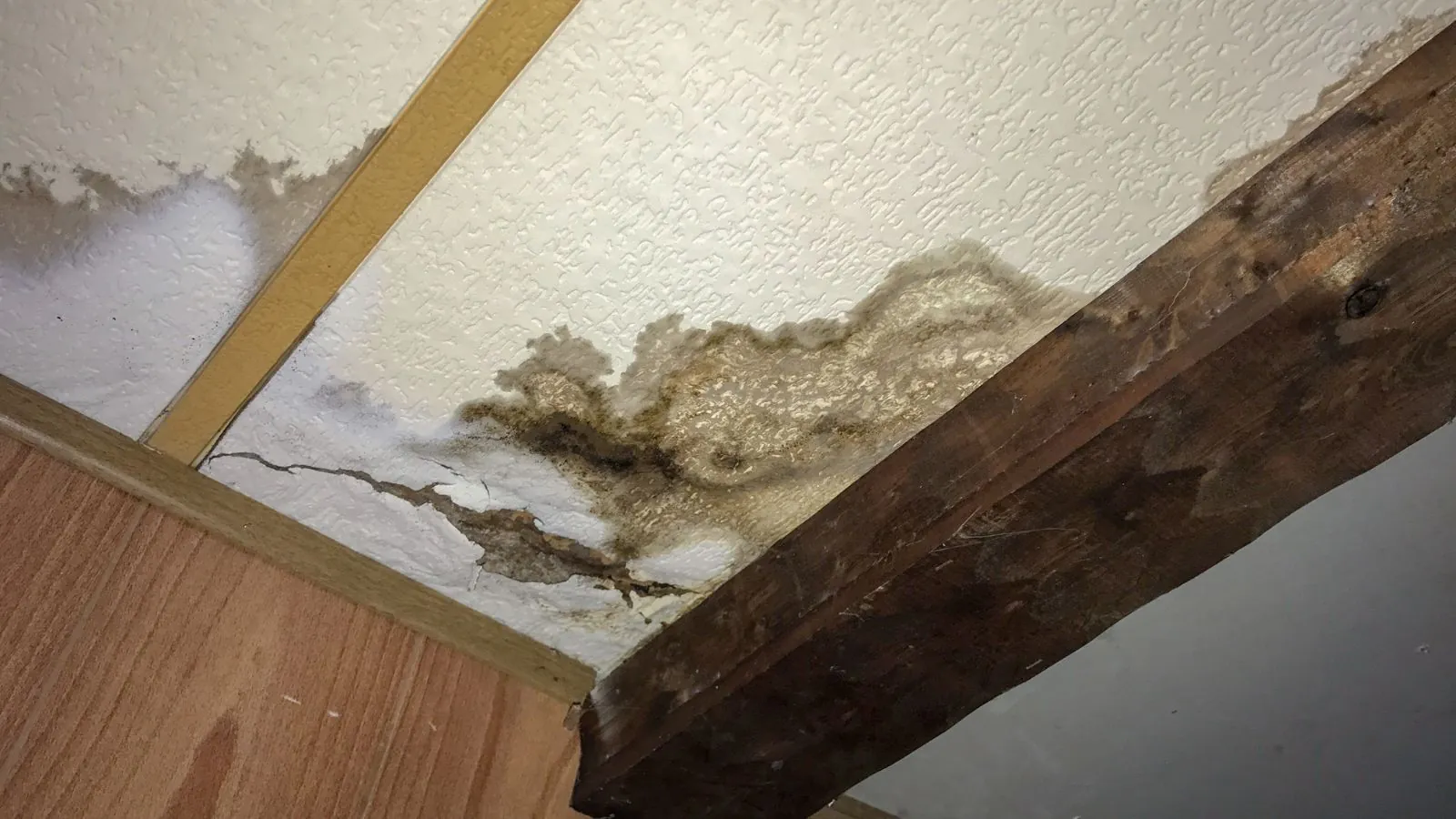
Water Damage Restoration in Charleston Village, Lorain, OH
Water damage help for Charleston Village homes and buildings, with notes on drying plaster, wood and other older materials carefully.
Charleston Village is a historic neighborhood of Lorain near the mouth of the Black River and Lake Erie. Its own neighborhood website places it around Broadway Avenue, with streets such as West 10th Street, 2nd Street and Oberlin Avenue. No official boundary was confirmed in the research for this page, so it is described here by landmarks and not by lines on a map.
If water is spreading in a Charleston Village home or building, call (440) 276-9091 first. The rest of this page explains how to handle wet older materials and what to prepare.
A landmark to orient by
The Lorain Historical Society runs its museum in the Carnegie Center at 329 West 10th Street, a former library building that was listed on the National Register of Historic Places in August 2023. The society describes the library as built in a residential area within walking distance of downtown. If you are unsure whether your street counts as Charleston Village, say the nearest cross streets on the call.
Drying older materials with care
If your home or building has original features such as plaster walls, wood trim or hardwood floors, ask for careful work when water does arrive, because a wet plaster wall and a wet drywall wall are handled differently. Age alone does not make a building more likely to leak, and this page makes no claim that it does.
What to tell the technician about your materials
These are the questions a careful crew asks. Answer them if you know.
| Item | Who or what | Next step |
|---|---|---|
| Plaster and lath walls | May dry in place if caught early, but sections can fail | Wall and drywall water damage |
| Original hardwood floors | Boards can cup or buckle as they dry | Hardwood floor water damage |
| Stone, brick or block foundation | Water can move through mortar joints differently from poured concrete | Basement water damage |
| Wet carpet over older subfloor | Moisture can sit below the surface | Carpet water damage |
What to do while you wait
Keep it simple and keep it safe.
Shut off the water
Close the main valve or the valve at the failed fixture. Older valves can be stiff, so do not force one that will not turn.
Mind the electrics
Do not use outlets or touch the panel near water. If water reaches wiring, call the utility or 911.
Photograph first
Take photos of the damage and the source before moving belongings, where it is safe.
Protect what is original
Lift rugs, move furniture legs onto foil and keep wood pieces away from wet floors.
Avoid drain water
Keep people and pets away from anything that came from a toilet or drain.
Permits, history and the city
Water damage drying rarely needs a permit, but rebuild work often does. Ask the Lorain Building Division which repairs need one for your address. If your building has historic status, ask the city or the Lorain Historical Society whether repairs need any review before materials are removed. This page cannot say whether a specific building has that status.
For a sewer backup, the City of Lorain says it maintains only the sewer mains and the homeowner is responsible for the lateral and the plumbing inside. The city sewer department is at 440-204-2280, and sewage backup cleanup has the stricter safety steps.
Documentation and insurance
Photos, moisture readings and an itemized scope can help describe the loss. Coverage depends on the cause and the policy terms, and no result can be promised. Neighborhood-specific FEMA flood-zone status has not been verified for Charleston Village. The FEMA Flood Map Service Center can check one address.
Back to the Lorain water damage restoration page, or see all service areas. Related help: Water extraction, Wall and drywall water damage, Hardwood floor water damage.
Questions we hear about this
No official boundary was confirmed. The neighborhood has its own society and website, and this page uses the Carnegie Center area as a landmark. Give the dispatcher your street and the nearest cross street.
Sometimes. It depends on how wet the plaster got and for how long. A technician checks with a moisture meter and may recommend removing only the sections that failed.
Not necessarily. Many losses are handled by extracting water and drying in place, and demolition is limited to materials that cannot be dried or are contaminated.
Neighborhood-specific FEMA flood-zone status has not been verified. Check the FEMA Flood Map Service Center for your address.
Ask the Lorain Building Division or the Lorain Historical Society whether repairs need review. Tell the technician about original materials you want kept.
Water spreading right now?
Call, describe what you see, and get the next steps while you wait.
Call (440) 276-9091