Does Homeowners Insurance Cover Water Damage in Lorain, OH?
The honest answer is that it depends on where the water came from and what your policy says. This guide explains the usual pattern so you know which questions to ask your insurer.
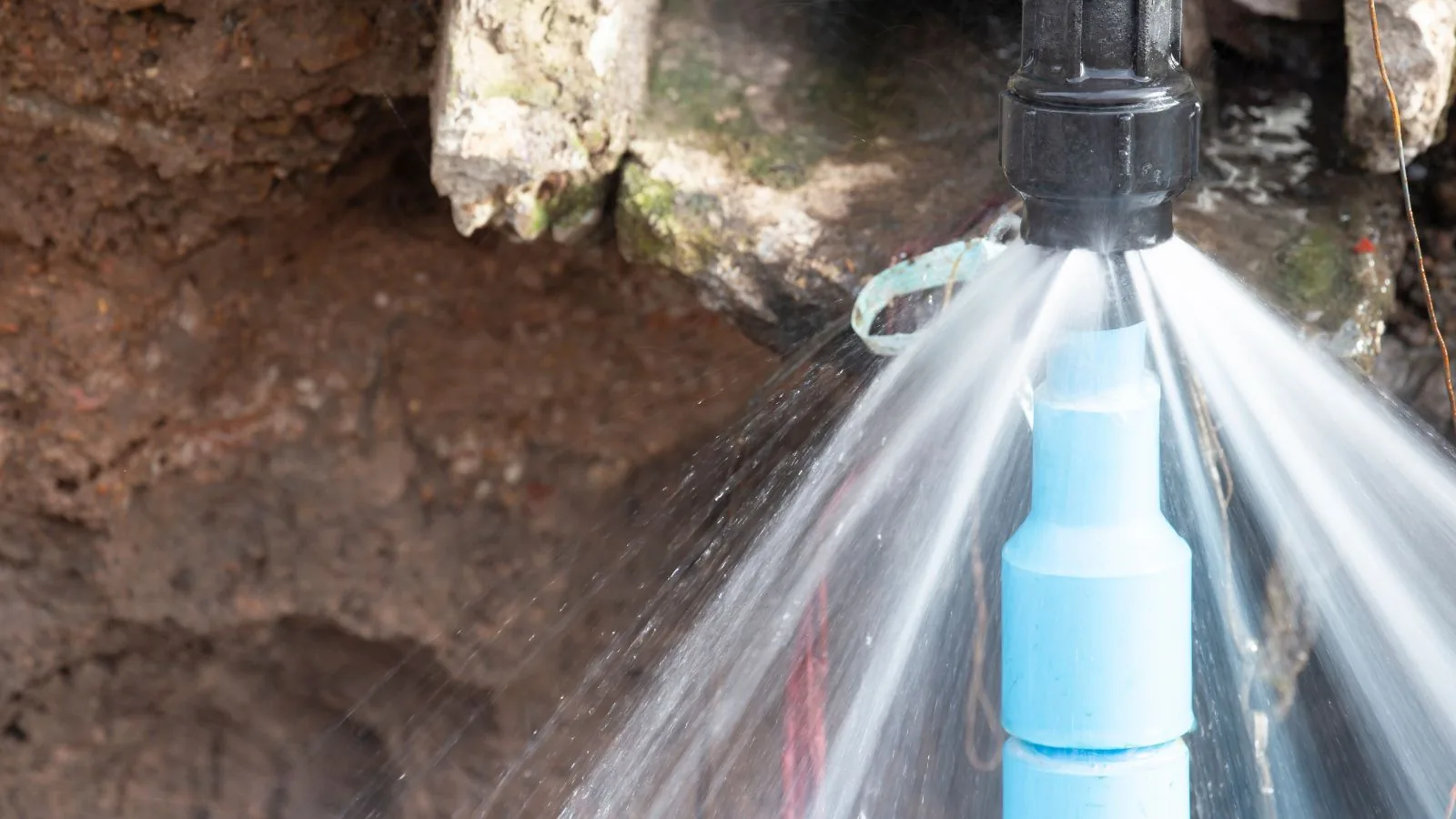
Whether homeowners insurance covers water damage depends on the cause of the water, how fast it happened and what your policy says. As a general pattern, sudden and accidental events such as a burst pipe or a failed supply hose are more likely to be covered. Slow leaks, wear and flood from outside are more likely to be excluded. Your policy and your insurer decide, not this page.
The usual pattern in plain terms
Most homeowners policies list the events they cover and then list exclusions. Water damage sits on both lists, depending on the source. The wording that matters most is usually "sudden and accidental" on one side and "continuous or repeated seepage" on the other.
| Source of water | Often treated as | What to check |
|---|---|---|
| Burst pipe or supply line | Sudden and accidental, often covered | Cause of failure, whether the home was heated |
| Appliance hose failure | Often covered for the resulting damage | Whether the appliance itself is covered |
| Slow leak over weeks or months | Often excluded as seepage or maintenance | Date you first noticed, any repair records |
| Rain through a storm-damaged roof | Often covered when the roof was damaged first | Roof condition, wind or hail wording |
| Flood from lake, river or surface water | Typically excluded from standard policies | Separate flood policy |
| Sewer or drain backup | Often excluded unless an endorsement was added | Water backup endorsement |
Flood is the one most people are surprised by
The Ohio Department of Insurance says flood insurance is typically not included in homeowners, renters or business policies and is bought as a separate policy. A waiting period of about 30 days usually applies before new flood coverage takes effect. That means buying it after a storm warning is too late.
Lorain sits on Lake Erie where the Black River meets the lake, so flood questions are practical here. To see whether a property is in a mapped flood zone, check the FEMA flood map or ask the building office in Lorain. Water that rises from outside is a different category from a pipe that breaks inside, and our flood damage cleanup page explains why the cleanup differs too.
Questions to ask your insurer
- Is the cause of this water covered under my policy?
- Does my policy include a water backup endorsement for sewers and drains?
- What is my deductible for this type of loss?
- Does the policy cover the cost of tearing out and replacing damaged materials?
- Does it cover emergency steps like extraction and drying, and what documents do you need?
Write down the name of the person you speak to, the date and what they said. If an adjuster visits, ask for the report. These small habits help if your claim is questioned later.
A Lorain County note
Homes across Lorain County range from lakefront houses in Sheffield Lake and Vermilion to inland homes in Amherst. Lakefront homes often face questions about flood zones and wind-driven rain, while inland homes more often face questions about sump pumps and sewer backup.
Whichever applies to you, read the exclusions section of your policy once before you need it. The right time to learn that sewer backup needs an add-on is before the water arrives.
What to do while the claim question is open
Do not wait for an answer from your insurer before stopping the damage. Policies generally expect you to take reasonable steps to protect the property, such as closing the main valve and drying the area. Photograph the damage first, then begin extraction and drying, and keep receipts for what you spend.
Keep damaged materials until an adjuster has seen them, if you can do so safely. If something must be removed right away because it is contaminated or unsafe, photograph it and keep a sample. Our burst pipe page lists the first steps for the most common sudden loss.
Need help stopping more damage?
Call the dispatch line, describe where the water is coming from and get the first steps while a crew is arranged.
Things that can hurt a claim
- Waiting weeks before reporting a loss.
- Throwing away damaged materials before documenting them.
- Repairing a cause that was not disclosed, such as a long-term leak.
- Assuming flood is covered when the policy is silent.
- Guessing at coverage instead of asking in writing.
A restoration company can document moisture readings and the scope of work, which gives your insurer facts to review. It cannot promise that a claim will be approved. Nearby towns face the same question, from lakefront homes in Vermilion to the shoreline streets of Sheffield Lake.
Questions we hear about this
Often yes for the resulting damage, if the break was sudden and accidental. The pipe repair itself may not be covered. Read your policy and ask your insurer.
Typically not. The Ohio Department of Insurance says flood coverage is bought separately, and a 30-day waiting period usually applies.
Often only with a water backup endorsement. Without it, a standard policy may exclude it. Check your policy for the endorsement.
No. Take photos, stop the source and begin extraction and drying. Policies usually expect you to protect the property from further damage.
Use the FEMA flood map or ask the Lorain building office. A mapped zone also affects insurance and sometimes permits.
Water spreading right now?
Call the 24/7 dispatch line, describe what you see, and get the next steps while you wait.
Call (440) 276-9091