Water Damage Restoration vs Remediation in Lorain, OH
Contractors use these words differently, and the difference affects what you pay for. Here is a plain guide to what each term usually means.
Restoration and remediation sound like the same thing and often show up on the same estimate. In general, restoration means bringing a building back to its condition before a loss, while remediation means removing a specific hazard from it. A single job can include both, which is why the words get mixed up. The best protection is to ask for the scope in writing.
What restoration usually includes
Restoration covers the whole path from wet to normal. That begins with stopping the water and water extraction, continues through drying and ends with the repair or replacement of materials. A restoration job is judged by whether the building looks and works as it did before the loss.
- Extraction of standing water.
- Moisture mapping and drying with air movers and dehumidifiers.
- Removal of materials that cannot be saved.
- Cleaning of belongings and surfaces.
- Repair and rebuild, such as drywall, flooring and paint.
What remediation usually means
Remediation is about removing a hazard, such as mold, sewage contamination or other contaminants, and controlling it so it does not spread. The work is carried out under containment, with protective equipment and verification at the end. The aim is a clean, dry space that meets a defined standard.
| Term | Focus | Typical examples |
|---|---|---|
| Restoration | Return the building to its prior condition | Drying a wet floor, replacing drywall, repainting |
| Remediation | Remove and control a hazard | Mold containment and removal, sewage cleanup |
| Mitigation | Limit further damage | Extraction, tarping a roof, moving belongings |
How the two overlap on one job
Consider a leak that went unnoticed for weeks behind a wall. Mitigation stops the leak and removes standing water. Remediation deals with mold in the wall under containment. Restoration then rebuilds the wall, which includes drying and repair.
The order matters. If you rebuild before remediation is complete, growth is sealed behind new drywall. If you remediate before the source is dry, growth can return. Good scopes list each phase and what has to be true before the next one begins.
Wondering which phase you are in?
Call dispatch and describe the damage and how long it has been wet. A short conversation can tell you where to start.
Why the words matter in a lakeshore climate
Lorain County homes near Lake Erie deal with humidity as well as leaks. A leak that is fixed but never fully dried can turn into a remediation job later, which is why drying is not optional.
The structural drying page explains why moisture readings, and not appearances, decide when drying is finished.
What to do before you agree: questions for a contractor
- Which phases are in this scope, and in what order?
- What measurements will tell us each phase is complete?
- Who does the rebuild, and is it priced separately?
- What is the plan if hidden damage is found?
- What documentation will I receive for my insurer?
Those questions work for any contractor, and they reveal whether the company thinks in phases or in lump sums. Beware of a scope that names only one word, like "remediation," with no detail behind it.
What each term means for your paperwork
On an insurance file, mitigation costs are often the first to be reimbursed, because they prevent more damage. Remediation costs depend on the policy language, especially for mold. Restoration costs follow the scope your insurer approves.
Keeping the three phases separate on invoices makes each easier to submit and to question. Ask your contractor to label each line so you can match it to the right part of the claim.
A worked example from a basement
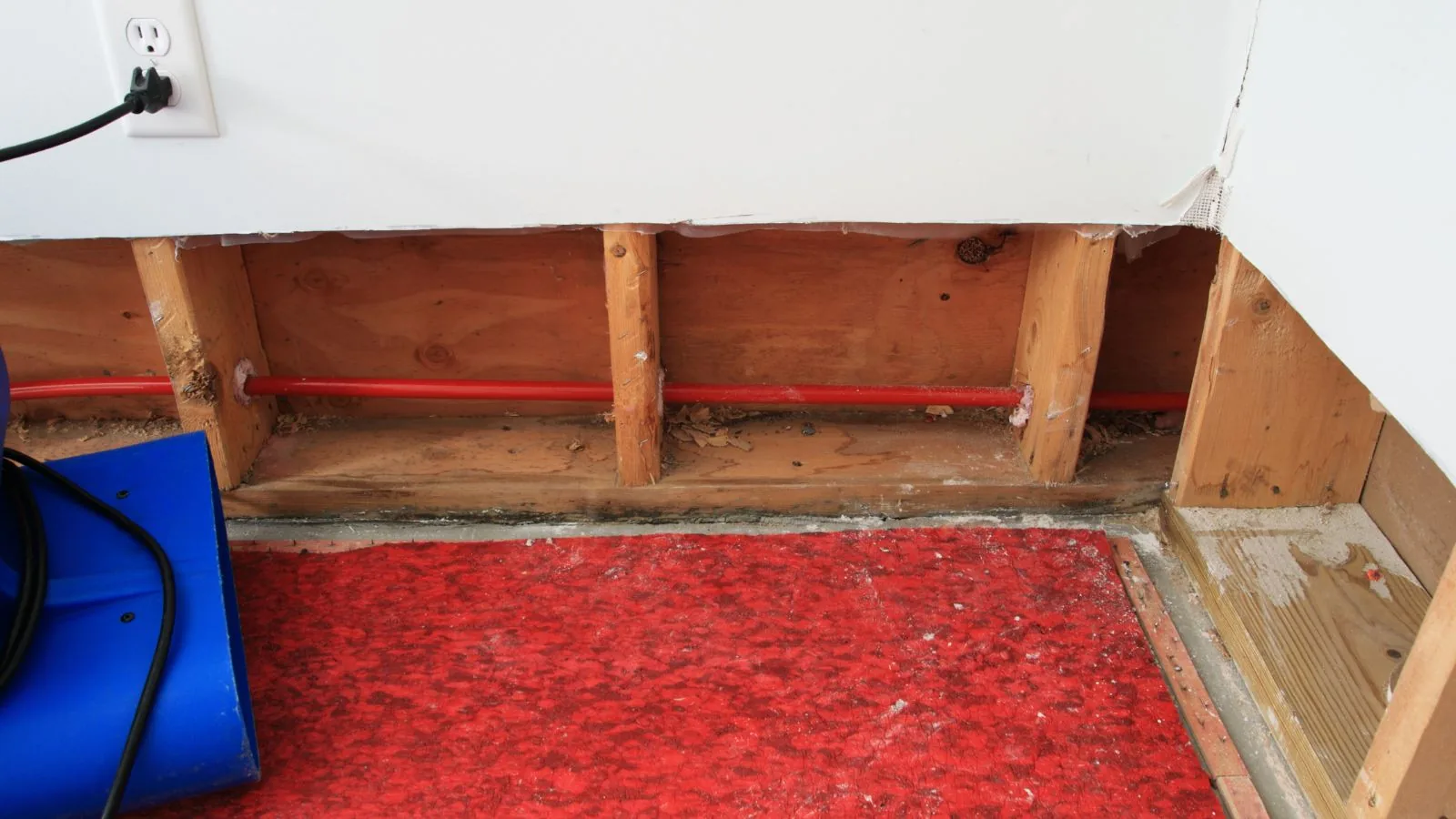
Say a sump pump fails during a heavy rain and an inch of water covers a finished basement. The first call is for extraction and moisture mapping, which is mitigation. The crew removes the wet carpet and pad and cuts the drywall a short distance above the floor, then dries everything.
If the water was clean and the work started within a day, that may be the whole remediation story, with restoration following as new drywall and flooring. If the water sat for days or came from a drain, containment and treatment are added. The scope should say which case you are in and why.
Notice that the word on the invoice matters less than the steps behind it. Ask for the tasks, the equipment and the readings, and the labels will sort themselves out.
Insurance and the two terms
Insurers sometimes handle restoration and mold remediation differently, with separate limits for mold. Ask your insurer how your policy treats each. A restoration company can document the work, but it cannot decide coverage.
The same terms apply in Sheffield Lake and Vermilion, where lakeside humidity makes the drying step especially important.
Questions we hear about this
It is usually called remediation. The restoration of finishes, like new drywall and paint, follows once the area is clean and dry.
Not always. A clean water leak caught early may need only drying and repair. Mold or sewage adds remediation.
Mitigation means limiting further damage, such as extraction, tarping or moving belongings. Insurers often expect it right away.
Your insurer, based on your policy. A restoration company documents the work and explains the scope.
Ask the City of Lorain Building Division about permits and contractor registration. The terms themselves are industry words and not legal categories.
Water spreading right now?
Call the 24/7 dispatch line, describe what you see, and get the next steps while you wait.
Call (440) 276-9091