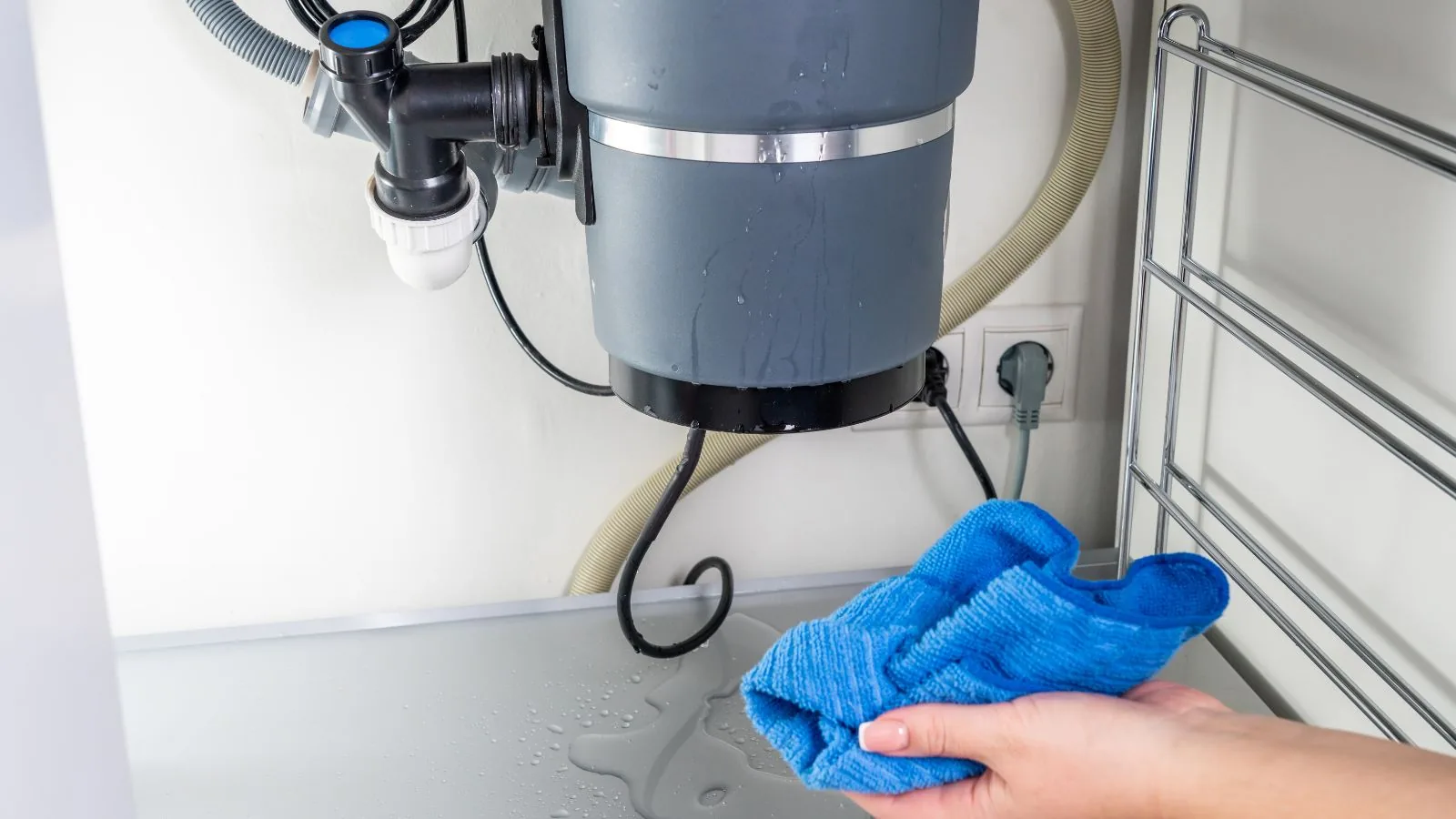
Water Damaged Electronics: When to Unplug in Lorain, OH
The right move depends on whether the water is touching the outlet. This guide covers the order of steps for TVs, computers, appliances and the panel.
The first question after water reaches electronics is whether it is safe to touch them at all. If water is standing around an outlet, a power strip or the panel, do not reach in to unplug anything. Leave the area and call 911 or the electric utility for any risk of shock, then call a restoration line once everyone is safe.
Step one: is the floor wet where the outlet is?
| Situation | What to do |
|---|---|
| Water on the floor near an outlet or strip | Stay out. Turn off power at the panel only if the panel is dry and you can reach it without stepping in water |
| Panel is wet or in a flooded basement | Do not touch it. Call the utility or 911 |
| Floor is dry and the device got splashed | Unplug it with dry hands, standing on a dry surface |
| Device was fully submerged | Do not power it on. Unplug only when it is safe, and remove batteries if you can |
Shock risk comes from water, electricity and a path to your body. Standing in water while touching a plug is the common mistake. When in doubt, wait for a licensed electrician to say a circuit is safe.
What to do with wet electronics once it is safe
- Unplug the device and remove batteries, cables and memory cards.
- Do not press the power button to see if it still works.
- Wipe the outside with a dry cloth and set the device in a dry, ventilated place.
- Take photos of the device, the label and the damage for your records.
- Ask a repair shop whether the device is worth attempting to recover.
Powering a wet device on can cause a short that destroys parts that might have survived. The old advice to bury a phone in rice does not reliably remove moisture, and it can leave dust in ports. A repair shop can open the device, dry the board and clean corrosion.
Appliances are a different case
Washers, refrigerators, furnaces and water heaters carry wiring and controls that need checking after a flood. Do not run them until they have been inspected. The appliance leak page explains where water hides around these machines.
A furnace or water heater sitting in basement water is a special concern. Gas and electric units need a technician to check them before they are turned back on. If you smell gas, leave the building and call the gas utility from outside.
Water still spreading near your electronics?
Call dispatch, describe where the water is and get safe first steps. Extraction can begin once the power question is settled.
What this looks like in Lorain County
Basements in lakefront towns such as Vermilion hold washers, dryers, freezers and entertainment equipment, and a sump failure can reach the power strips on the floor. Raising electronics onto a shelf or table is an inexpensive precaution.
The panel is often on a basement wall, so a flood that reaches it is a utility matter and not a restoration one. A licensed electrician should inspect the panel before it is turned back on.
Insurance and documentation
List each damaged device with its make, model, age and approximate value. Keep receipts if you have them, and photograph labels and serial numbers. Some policies limit coverage for electronics, so ask your insurer what applies.
Water from a sewer or flood can corrode contacts faster than clean water, and repair shops may decline contaminated equipment. Ask before you pay for a diagnosis. The storm water page describes how rain damage differs from flood damage.
Cords, strips and small items
Power strips and extension cords that got wet should be thrown away, even if they look fine. Water can leave corrosion inside the plug that causes heat later. Surge protectors usually have a warning that they must be replaced after exposure.
Small items like chargers, lamps and clocks are inexpensive to replace and risky to dry out and reuse. Keep the list for your insurance, then discard them. Higher-value items, such as a computer drive with irreplaceable files, deserve a data recovery specialist.
Prevent it next time
- Keep electronics and power strips off the floor in basements and garages.
- Use a sump pump with a battery backup in flood-prone areas.
- Know where the panel is and whether it sits low in the building.
- Unplug valuable equipment during storms when a roof leak is likely.
- Back up important files to a place outside the house.
Households in Amherst and Vermilion can use the same checklist, and any home with a basement benefits from raising equipment off the floor.
Questions we hear about this
Only if the floor is dry and you can reach the plug without standing in water. If water is near an outlet or the panel, stay out and call the utility or 911.
No. Powering on can short the device and cause damage. Unplug it, remove batteries and let a repair shop assess it.
Not reliably. A repair shop can open the device, dry it and clean corrosion. Do not charge or power it in the meantime.
Not until a technician has inspected it. Controls and wiring may be damaged. If you smell gas, leave and call the gas utility.
A licensed electrician. Do not turn on a panel that has been wet until it has been inspected.
Water spreading right now?
Call the 24/7 dispatch line, describe what you see, and get the next steps while you wait.
Call (440) 276-9091